Nov 8, 2025
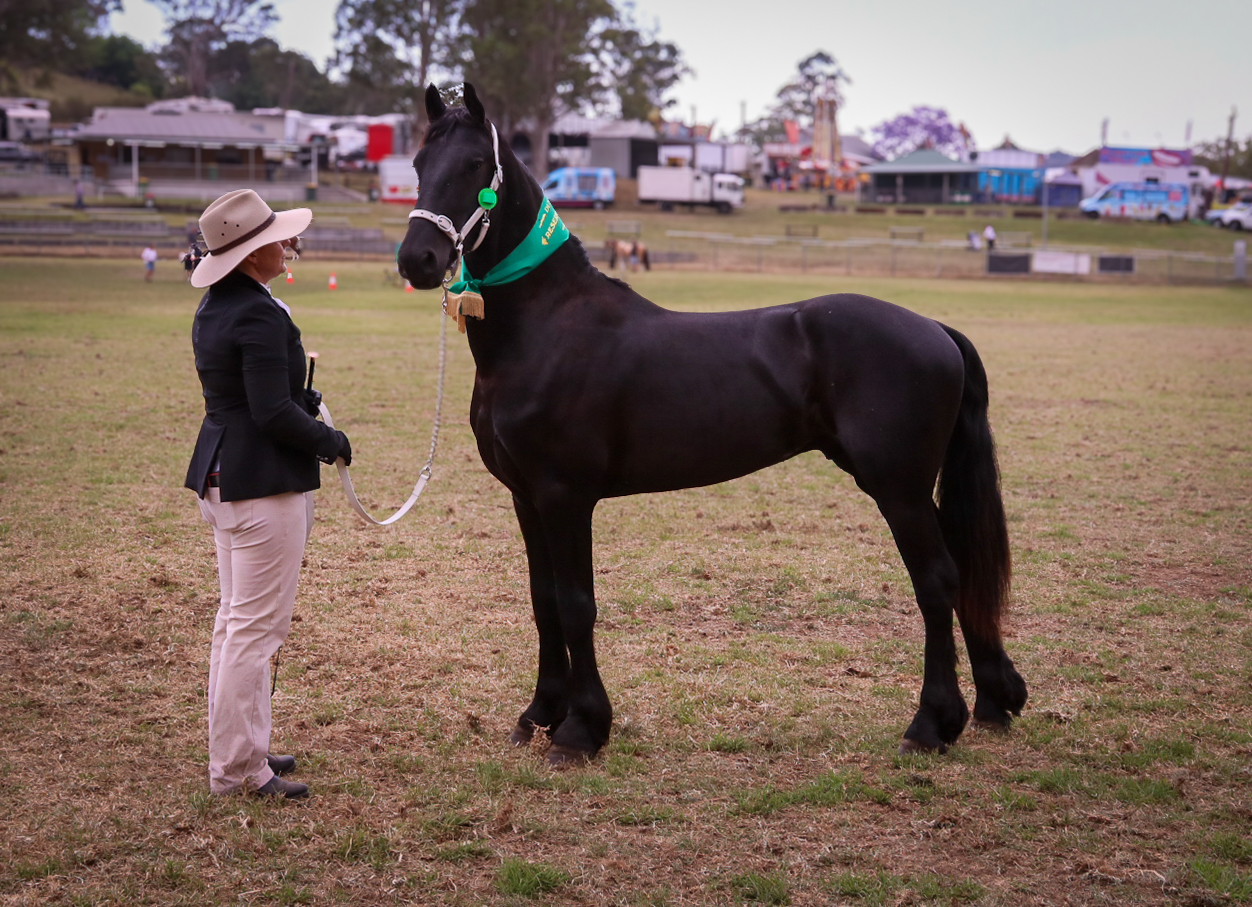
Ajani of Roselee
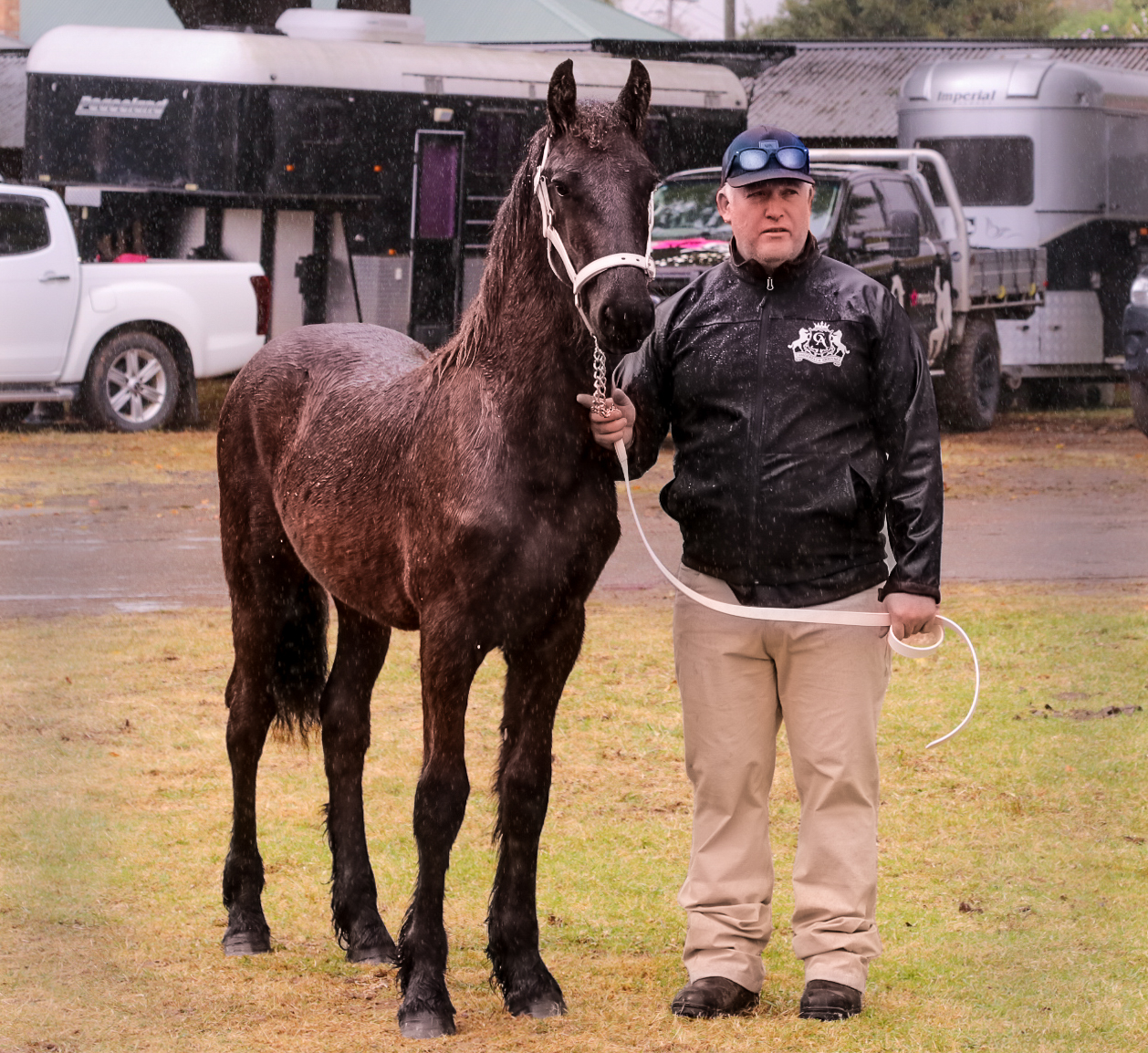

Luka's due date came and went with no signs of labour until the evening of January 3rd, 2024 when she began leaking milk. During the final check before bed, I was bitten by an unknown insect on my neck. It stung, but I didn't think much of it then.
Luka foaled at 12:41 am on January 4th. However, the newborn colt didn't follow the usual 1-2-3 rule of foaling:
Standing within 1 hour
Nursing within 2 hours
Passing the placenta within 3 hours
By 1.5 hours, the foal had not yet stood. Though experienced with foals, Luka seemed wary of me approaching her new colt. I woke my husband, Ryan, for assistance. While I held Luka, Ryan lifted the foal and guided him to the nurse. Though the foal drank, he struggled to stand on his own and kept collapsing.
By 3 am, after consulting with the vet, we decided to take Luka and the foal to the Newcastle Equine Centre. At 4 am, we loaded them into the float and made the 45-minute journey to the clinic.
Our colt was diagnosed with mild Dummy Foal Syndrome and had aspirated milk into his lungs. He received little to no colostrum, so the vet immediately administered plasma and antibiotics. He was tube-fed for several days to ensure he received proper nutrition while Luka was treated for a retained placenta.


While at the clinic, the insect bite I had received earlier began to worsen. Pain radiated up my neck and arm, prompting a visit to the emergency department at Maitland Hospital. Despite my discomfort, I focused on ensuring Ajani & Luka received the best possible care.
On Tuesday, January 23rd, 2024, follow-up scans and blood tests revealed that Ajani might not have been recovering as well as he appeared. His white blood cell count was elevated, and his lungs still showed signs of striations.
By Thursday, January 25th, 2024, we took Ajani and Luka to the vet for a follow-up trans-tracheal wash.
The results came back on Monday, January 29th, 2024, revealing the presence of two pathogens: Enterobacter cloacae complex and Aspergillus fumigatus complex. The prognosis was grim, with less than a 20% chance of survival, even with treatment. The vet suggested a possible genetic disorder and recommended DNA testing.
The following week was heartbreaking. We contacted everyone we knew who might have insight into these lung fungi. Unfortunately, the consensus was unanimous—Ajani was terminally ill. Yet, he was the healthiest sick terminal foal anyone had ever seen.
By that Friday, we made the difficult decision not to pursue treatment. Instead, we chose to give Ajani the best short life possible. Keeping him confined in a stable and subjecting him to harsh treatments that might not work would have been unfair to both him and Luka. We decided to monitor him at home, ensuring he was comfortable and pain-free. If he showed signs of distress, we would make the call. Until then, we would cherish every moment with our expensive little colt.
Ajani is the first of many to come at Roselee Friesians, and his birth story will forever remind us of the power of perseverance, love, and unwavering commitment to our equine family.